

Industrial facilities and mining operations across Mississippi face persistent challenges related to excess water, sludge accumulation, and sediment management. High annual rainfall, fine-grained soils, and strict environmental oversight create conditions in which inefficient dewatering can quickly disrupt operability, increase disposal costs, and expose facilities to risk. In this environment, geotextile tube dewatering has emerged as a dependable and scalable solution for managing slurry generated from industrial lagoons and mining sites.
Mississippi Dredge has become a leading provider of engineered dewatering systems in the region by applying proven geotextile tube technology to real-world Mississippi conditions. Through careful system design, material selection, and field execution, these systems deliver predictable results for both industrial lagoon dewatering and Mississippi mining dewatering projects.
What Is Geotextile Tube Dewatering?
Definition and Core Concept
Geotextile tube dewatering is a mechanical filtration process that separates solids from liquid by pumping slurry through the material to gradually consolidateic tubes. As slurry enters the tube, water passes through the fabric while solids are retained, allowing gradual consolidation of material within the tube.
This method differs from traditional settling ponds or mechanical presses by offering continuous operation, scalable capacity, and controlled discharge. It is particularly effective for fine sediments and sludge that resist gravity settling.
Components of a Geotextile Tube Dewatering System
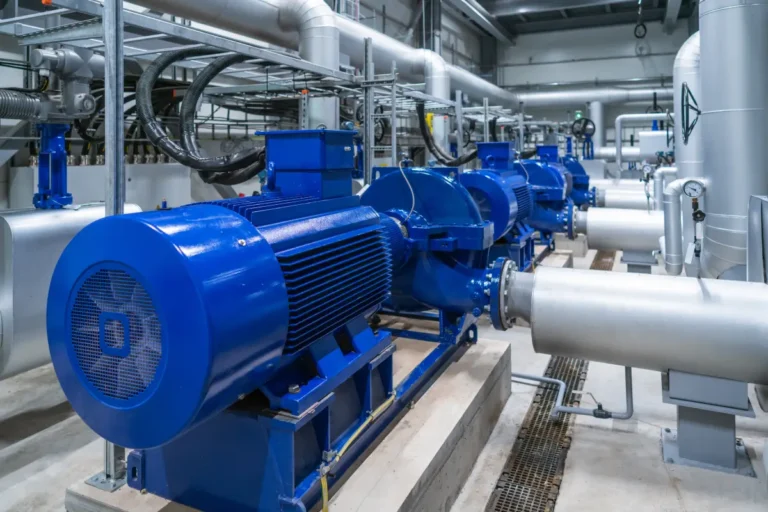
A complete system consists of engineered geotextile tubes, slurry feed pumps, distribution manifolds, discharge controls, and a prepared containment area. Fabric selection is based on particle size distribution, chemical compatibility, and tensile requirements. Pump selection must balance flow rate with shear forces to preserve floc structure.
Mississippi Dredge designs systems where each component is selected to match site-specific sludge characteristics, ensuring consistent filtration performance throughout the project.
How Geotextile Tubes Work
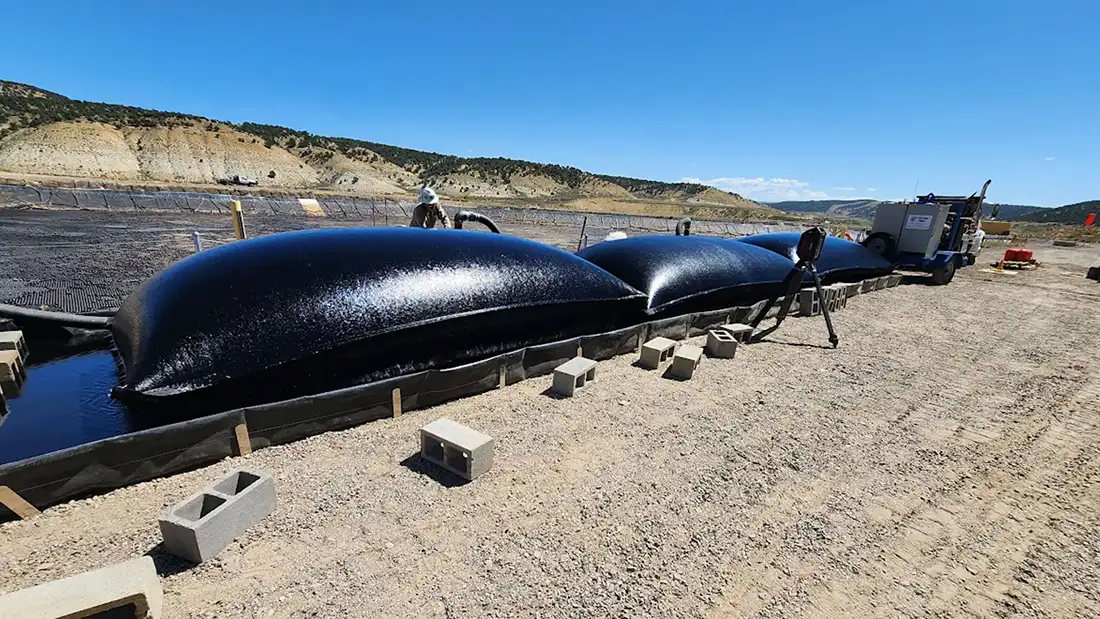
Slurry is pumped into the tube at a controlled rate. Internal pressure forces water through the fabric pores while solids remain inside. As water drains, solids consolidate and gain structural stability; the solids are often filled in multiple cycles to increase solids capture and minimize water removal. A controlled process makes geotextile tube dewatering reliable for long-duration projects that require consistent performance.
Industrial Lagoon Dewatering in Mississippi
What Are Industrial Lagoons?
Industrial lagoons are commonly used across Mississippi for wastewater treatment, reducing pollution from paper processing, food production, chemical manufacturing, and energy facilities. Over tnecessarylagoons accumulate sludge that reduces storage capacity and treatment efficiency, making periodic industrial lagoon dewatering unavoidable.
Challenges in Industrial Lagoon Dewatering
Lagoon sludge typically contains fine silts, organics, and process byproducts that retain water aggressively. Mechanical dewatering systems often struggle with these materials, leading to low throughput and high operating costs. Seasonal rainfall further complicates the dewatering of the industrial lagoon by increasing inflow volumes and limiting available freeboard.
How Geotextile Tube Dewatering Solves Lagoon Challenges
By using controlled filtration rather than gravity settling, this dewatering method allows lagoon sludge to be processed without draining the entire basin. This minimizes operational downtime and reduces the need for temporary storage areas.
The ability to scale tube size and placement makes this method particularly effective for large lagoon cleanouts where conventional methods become impractical.
Case Example: Industrial Lagoon Dewatering in Mississippi
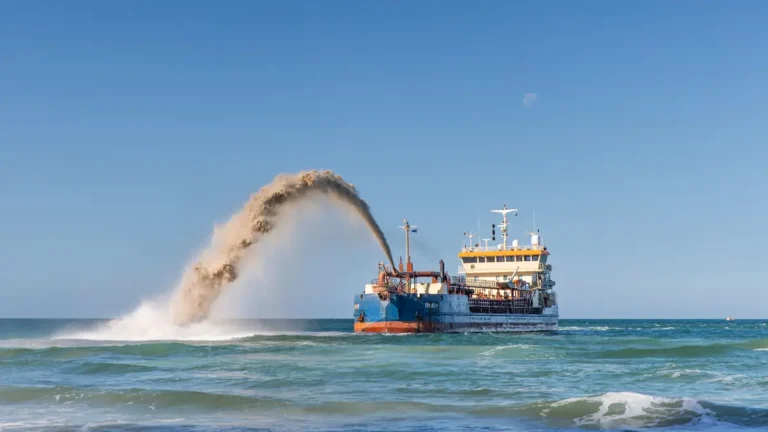
In a typical Mississippi lagoon project, sludge is hydraulically dredged and pumped directly into geotextile tubes positioned on a prepared pad. Clarified water is captured and returned to the lagoon or treated for discharge. Over several fill cycles, solids consolidate to a transportable state, reducing disposal volume and cost.
This approach has proven effective for long-term lagoon dewatering for industrial projects where maintaining treatment operations is critical.
Geotextile Tube Dewatering for Mississippi Mining
Overview of Mining Dewatering Needs
Mining operations generate slurry from excavation, washing, and tailings handling. Without effective dewatering, excess water restricts access, increases hauling costs, and delays material recovery. Reliable mine dewatering in Mississippi is essential to maintaining production schedules.
Specific Challenges in Mississippi Mining Dewatering
Mississippi mining sites often contend with clay-rich sediments that require dewatering. High rainfall events can overwhelm the system while space limitations restrict expansion. These conditions require a solution that delivers consistent performance across varying load levels.
How Geotextile Tube Dewatering Supports Mississippi Mining
Dewatering with geotextile tubes provides operators with predictable solids capture and water release rates. Tubes can be staged to accommodate phased mining operations, allowing dewatering to keep pace with production.
For Mississippi mining dewatering, this approach improves site safety, reduces haul distances, and accelerates material reuse or disposal.
Project Insights: Mining Dewatering Success
In mining applications, tubes are often positioned near excavation zones to minimize pumping distance. As solids consolidate, recovered water can be reused for processing or dust suppression. This integrated approach reduces freshwater demand while maintaining compliance.
Benefits of Using Geotextile Tube Dewatering
- Cost Savings and Operational Efficiency
Compared to mechanical processes or hauling wet material, geothermal energy significantly reduces energy use and labor requirements. Hienablingids content lowers disposalminimizvolumes withansportation frequency. Projects can be scaled without major equipment changes, allowing operators to manage large volumes of slurry using relatively simple pumping systems rather than capital-intensive machinery.
- Environmental and Regulatory Compliance
Controlled filtration produces clearer discharge water and reduces the risk of turbidity violations. This is especially important for industrial lagoon dewatering projects operating under discharge permits. The contained nature of the process also limits off-site migration of fines, helping facilities maintain compliance with Mississippi Department of Environmental Quality requirements and site-specific stormwater plans.
- Reduced Site Footprint and Minimal Disturbance
Geo tube systems require significantly less space than settling ponds and are well-suited for dewatering installations. Tubes can be staged and strategically placed to work within existing site boundaries, making them well-suited for facilities with limited available land or for active operations that cannot be interrupted.
- Adaptability to Variable Slurry Conditions
Slurry characteristics often change over the course of a project due to seasonal rainfall, process variations, or sediment stratification. Geotextile tube dewatering systems can be adjusted through pump rates, fill cycles, and polymer dosing to maintain performance as conditions evolve, providing consistent results where rigid systems struggle.
- Improved Project Schedulitube-fillingllingty
Because dewatering performance is measurable and repeatable, project timelines become more predictable. Operators can plan tube-filling cycles, consolidation periods, and material removal with greater accuracy, reducing downtime and avoiding the schedule overruns commonly associated with passive settling methods.
- Versatility Across Industries
The same system principles apply across wastewater treatment, mining, construction, and environmental remediation. This industry makes use of geotextile tubes with varying red options for diverse Mississippi applications, including lagoon dewatering for industry and Mississippi mining projects with different solids profiles and flow requirements.
- Enhanced Safety and Reduced Handling Risks
By consolidating solids within a contained system, the need for manual material handling is reduced. This lowers the risk of equipment bogging, unstable ground conditions, and personnel exposure to wet sludge, contributing to safer site operations.
- Improved Solids Recovery and Water Reuse
Consolidated solids are easier to handle, test, and repurpose where permitted. Recovered water can often be reused for process makeup, dust control, or further treatment, reducing overall water consumption and lowering reliance on freshwater sources.
- Long-Term Operational Value
Beyond immediate dewatering needs, geotextile tube systems can support long-term extension strategies. Avoids can incorporate routine lagoon cleanouts or phased mining dewatering into their operational planning to extend asset life and avoid emergency interventions.
Choosing the Right Dewatering Partner
What to Look for in a Dewatering Provider
Successful projects depend on experience, material knowledge, and proper system design. Providers must understand local soil conditions, regulatory requirements, and operational constraints.
Why Mississippi Dredge Is a Trusted Provider
Mississippi Dredge brings hands-on field experience across industrial lagoon dewatering and Mississippi mining dewatering projects. Their team designs systems that account for real site conditions rather than generic assumptions.
From initial assessment to final solids handling, Mississippi Dredge provides end-to-end support that reduces risk and improves outcomes.
Mississippi Dredge Services in Depth
Services include system design, tube selection, pumping integration, site preparation, and operational oversight. This turnkey approach ensures that dewatering with geotextile tubes performs as intended from start to finish.
Real-World Case Studies and Testimonials
Case Study: Industrial Lagoon Dewatering in Mississippi
A manufacturing facility faced reduced lagoon capacity and compliance concerns. Mississippi Dredge implemented a phased dewatering program that restored capacity without interrupting operations.
Case Study: Mining Site Dewatering Success
A mining operation required rapid solids removal to maintain access. Through staged tube placement and controlled pumping, Mississippi mining dewatering objectives were achieved while recovering reusable process water.
Client Feedback
Clients consistently report improved predictability, lower disposal costs, and simplified compliance when using Mississippi Dredge systems.
Best Practices for Geotextile Tube Dewatering Projects
- Site Assessment and Planning
Successful projects begin with solids testing, flow analysis, and footprint evaluation. Proper planning ensures that dewatering with geotextile tubes operates efficiently under expected loading. Particle size distribution, moisture content, and organic composition should be evaluated early to guide fabric selection and polymer strategy. Site access, ground bearing capacity, and drainage pathways must also be assessed to prevent settlement issues and uncontrolled filtrate flow.
- System Design and Tube Selection
Tube size, length, and fabric type should be selected based on projected slurry volume and solids concentration. Overloading a tube reduces filtration efficiency and increases failure risk. Designing for phased filling allows solids to consolidate between cycles, improving overall performance and extending tube service life.
- Pumping Strategy and Polymer Optimization
Pump selection and operating speed directly affect floc integrity and filtration rates. Excessive shear can break floc structures and reduce water release. Polymer dosing should be optimized through field testing rather than fixed assumptions, especially for projects where solids characteristics vary over time.
- Operation and Monitoring
Flow rates, internal pressure, and discharge clarity must be monitored throughout the project. Adjustments are often required as solids characteristics change due to stratification or weather events. Visual inspection of tube seams, fabric tension, and discharge zones helps identify issues before they impact performance.
- Filtrate Management and Discharge Control
Recovered water must be managed to prevent erosion, ponding, or recontamination. Discharge channels, sediment traps, or secondary filtration may be required depending on permit conditions. Consistent filtrate management is critical for the dewatering of industrial lagoons and Mississippi mining dewatering projects operating under regulatory oversight.
- Weather and Seasonal Considerations
Rainfall can affect slurry consistency, discharge rates, and site access. Planning for weather contingencies such as elevated pads or temporary diversion structures helps maintain project continuity during wet periods common in Mississippi.
- Post-Project Completion
Once dewatering is complete, tubes can be removed, cut open, or left in place depending on site requirements. Consolidated solids should be tested to confirm disposal or reuse options. Water management continues until all discharge criteria are met and site conditions are stabilized.
- Documentation and Compliance Closeout
Final documentation should include solids testing results, discharge records, and project summaries. Proper closeout supports regulatory compliance and provides a baseline for future geotextile tube dewatering efforts.
Conclusion
For facilities and mining operations across Mississippi, geotextile tube dewatering offers a proven and adaptable solution for managing sludge and slurry. Whether applied to industrial lagoon dewatering or Mississippi mining dewatering, this technology delivers consistent results when properly designed and executed.
Mississippi Dredge stands out as a trusted provider by combining technical expertise with local experience. Their approach ensures that dewatering systems are engineered for Mississippi conditions, regulatory realities, and operational demands.
To discuss industrial dewatering or mining dewatering solutions, contact Mississippi Dredge for a site evaluation and engineered system recommendation tailored to your project requirements.