
Mississippi’s shorelines and coastal ecosystems form one of the most valuable natural and economic assets in the state. From the barrier islands that protect inland communities to the marshes that support fisheries and wildlife, these coastal environments serve as natural defenses against storms while sustaining tourism, industry, and local livelihoods. The Mississippi Gulf Coast is not just a scenic stretch of land. It is a living system that requires active care to remain resilient.
Over the past several decades, Mississippi has faced persistent shoreline erosion and coastal degradation. Storm surge from hurricanes, seasonal wave action, and shifting sediment patterns have steadily worn away beaches, marsh edges, and nearshore zones. These changes place pressure on waterfront infrastructure, public access areas, ports, and natural habitats. Without intervention, erosion accelerates, leaving communities more vulnerable to flooding and long-term land loss.
Dredging has become a scientifically proven and practical method for addressing these challenges. By carefully removing, relocating, and managing sediment, dredging helps rebuild shorelines, reinforce coastal systems, and restore balance to areas that have lost their natural defenses. When planned correctly, dredging supports both environmental recovery and economic stability.
This is where Mississippi Dredge plays a vital role. With decades of experience working in Mississippi waters, the company has developed a reputation for delivering responsible, results-driven dredging solutions tailored to local coastal conditions. Their work supports long-term shoreline resilience while respecting the sensitive nature of Mississippi’s coastal ecosystems.
What Is Dredging? A Foundation for Coastal Protection
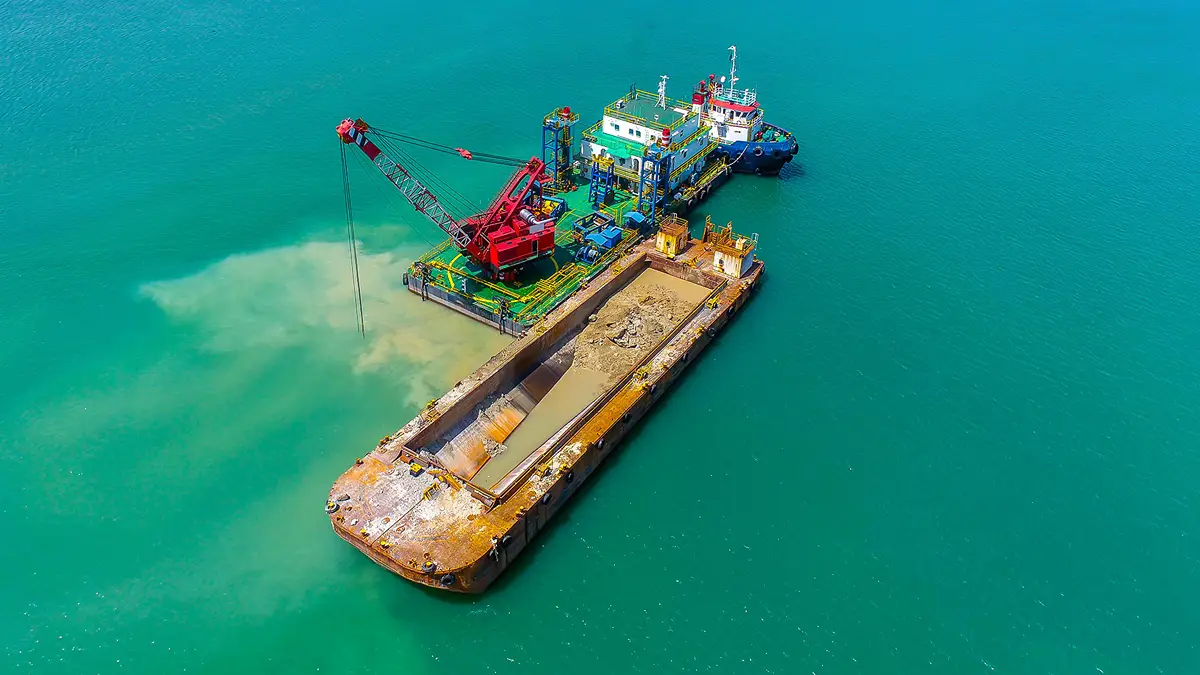
Dredging is the process of excavating sediment, sand, or silt from underwater areas to reshape land and water features. In coastal and shoreline applications, dredging is not solely about removing material for disposal. It is about managing sediment to strengthen natural defenses and restore eroded areas.
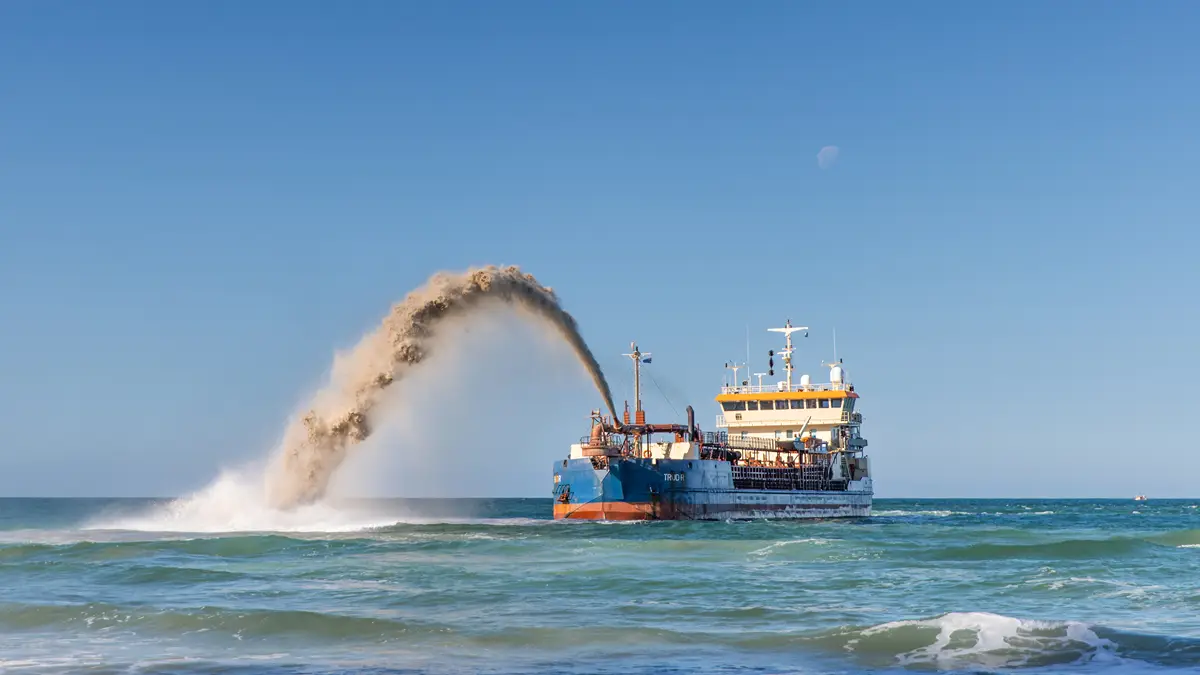
Several dredging methods are commonly used for shoreline and coastal projects in Mississippi. Hydraulic dredging moves sediment as a slurry through pipelines, making it effective for beach nourishment and marsh rebuilding. Mechanical dredging uses excavators or clamshell buckets to remove material with precision in tighter areas. Vacuum dewatering systems are often used to handle fine sediments and control water content. Geotextile tube applications allow dredged material to be contained and shaped into stable structures that reinforce shorelines.
These methods are different from dredging performed solely for navigation. Navigation dredging focuses on maintaining channels and harbor depths for vessels. Shoreline and erosion-focused dredging prioritizes land protection, wave energy reduction, and sediment placement. Mississippi shoreline dredging emphasizes restoring natural profiles rather than simply deepening waterways.
Understanding this distinction is critical. When dredging is used as a protective tool, it becomes part of a broader coastal management strategy rather than a one-time excavation activity.
Why Mississippi’s Shorelines and Coastlines Need Protection
Natural Forces Driving Erosion
Natural forces constantly shape Mississippi’s Gulf Coast. Storms generate powerful waves that move sediment along the shoreline. Even during calm periods, daily wave action gradually shifts sand away from beaches and marsh edges. Barrier islands and wetlands absorb much of this energy, but they are themselves vulnerable to erosion and retreat.
Over time, these forces reduce shoreline width and elevation. As protective features weaken, inland areas experience greater exposure to flooding and saltwater intrusion. Mississippi shoreline dredging addresses these changes by restoring sediment where it is most needed.
Human and Climate Impacts
Human activity has altered sediment movement throughout the Mississippi River system and coastal zone. River management, development, and shoreline hardening have reduced the natural sediment supply that once replenished coastal areas. At the same time, sea-level rise increases the baseline water level, allowing waves to reach further inland.
These combined pressures accelerate erosion. Without intervention, natural recovery cannot keep pace with the rate of land loss. Coastal dredging protection becomes a necessary tool to compensate for these imbalances and maintain shoreline stability.
Consequences of Ignoring Erosion
When erosion is left unaddressed, the consequences extend beyond the shoreline. Habitats disappear, affecting fish and bird populations. Roads, utilities, and private property face a higher risk of damage. Tourism declines as beaches narrow and access becomes limited. Water quality can also suffer as sediment and nutrients are redistributed in uncontrolled ways.
Shoreline erosion control dredging helps prevent these outcomes by stabilizing vulnerable areas before damage becomes irreversible.
The Science Behind Mississippi Shoreline Dredging
How Dredging Addresses Erosion
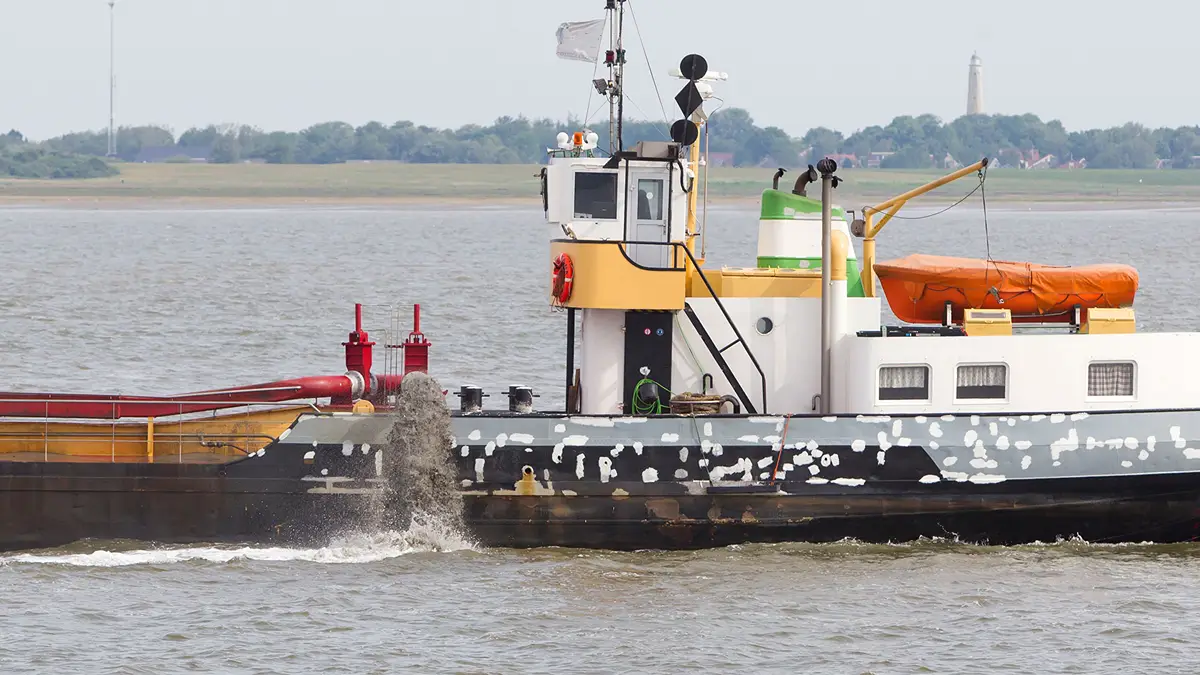
Dredging combats erosion by redistributing sediment to rebuild shore profiles. Material removed from navigation channels or offshore borrow areas can be placed strategically along eroded beaches or marshes. This approach restores elevation and width, allowing shorelines to absorb wave energy more effectively.
In many Mississippi projects, dredged material is used for beach nourishment or marsh creation. These beneficial uses extend the value of dredging beyond excavation. Mississippi shoreline dredging supports long-term resilience when sediment is placed with an understanding of local currents and wave patterns.
Geotextile Tubes and Structural Support
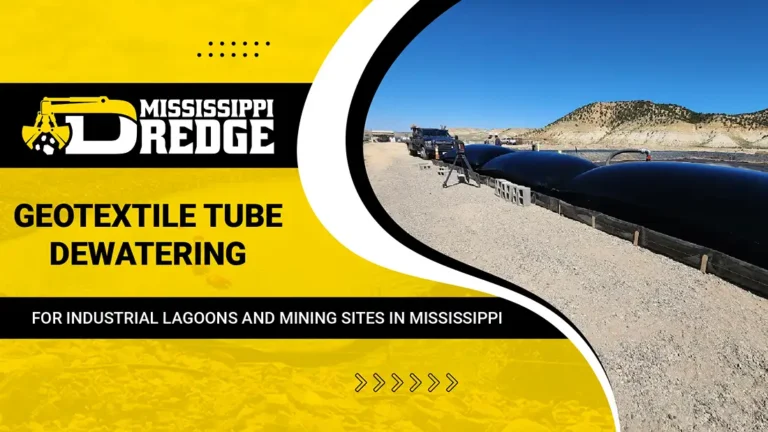
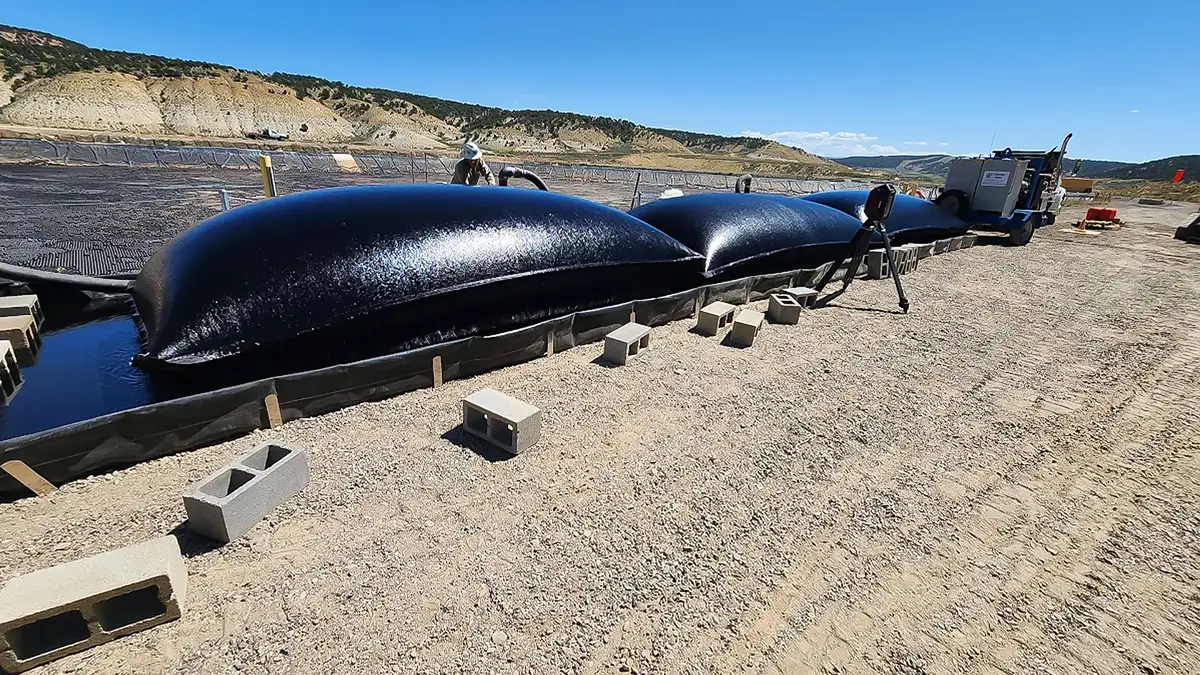
Geotextile tubes are large fabric containers filled with dredged sediment. Once placed, they form stable structures that reduce wave energy and support shoreline alignment. These systems are often buried or integrated into natural features to blend with the environment.
In real-world applications along the Gulf Coast, geotextile tubes have helped reinforce vulnerable shoreline segments while allowing sediment movement to continue naturally. Shoreline erosion control dredging paired with geotextile solutions offers both immediate protection and long-term adaptability.
Coastal System Balance with Dredging
Coastal systems rely on a balance of sediment supply and movement. Dredging, when guided by scientific assessment, helps maintain this balance rather than disrupt it. By aligning projects with natural processes, coastal dredging protection supports dynamic systems that can adjust to changing conditions.
Mississippi Dredge’s Role in Shoreline and Coastal Protection
Trusted Expertise in Mississippi Shoreline Dredging
Mississippi Dredge has built its reputation through decades of hands-on experience in local waters. The company understands the unique challenges of Mississippi’s coastal environment, from sediment characteristics to regulatory requirements. Their approach to Mississippi shoreline dredging combines technical knowledge with practical field experience.
Each project begins with careful planning and environmental consideration. This ensures that dredging activities deliver measurable protection while minimizing disruption to surrounding ecosystems.
Comprehensive Services Tailored for Erosion Control
Mississippi Dredge provides end-to-end solutions for erosion mitigation. Services include detailed site assessments, hydrographic surveys, and strategic dredging plans focused on shoreline stability. Precision techniques allow sediment to be placed where it delivers the greatest benefit.
By integrating shoreline erosion control dredging into broader coastal strategies, the company helps clients achieve durable results rather than short-term fixes.
Cutting-Edge Equipment Driving Better Outcomes
Modern dredging equipment plays a key role in project success. Mississippi Dredge utilizes advanced machinery, including excavator pump attachments, remote-operated dredges, and efficient dewatering systems. These tools improve accuracy and reduce project timelines.
Better equipment translates directly into more effective coastal dredging protection. Projects are completed with greater control, supporting both environmental and economic objectives.
Environmental Stewardship and Compliance
Environmental responsibility is central to every project. Mississippi Dredge adheres to state and federal regulations while applying best practices to protect marine habitats. This commitment ensures that dredging supports sustainability rather than compromises it.
Case Studies and Real-World Applications
- Coastal Dredging for Shoreline Protection
Across Mississippi’s Gulf Coast, dredging has repeatedly proven its value as a practical shoreline protection strategy. One widely referenced example is the maintenance and improvement work at Gulfport Harbor, where dredging has supported both navigation and shoreline stability. While the primary goal of harbor dredging is often channel depth, the indirect benefits to nearby beaches and shorelines are significant when sediment is managed responsibly.
In these types of projects, sediment removed from navigation areas is strategically placed to reinforce eroding shoreline zones. This approach strengthens beach profiles, increases elevation, and improves the coast’s ability to absorb storm energy. Over time, Mississippi shoreline dredging in these areas has helped reduce land loss while supporting continued economic activity tied to ports and tourism.
Smaller-scale shoreline projects along bays, inlets, and protected coastal stretches have also demonstrated success. Targeted dredging restores gently sloping shorelines rather than creating hard barriers that can worsen erosion elsewhere. This balance is a key reason why coastal dredging protection remains effective in Mississippi’s dynamic coastal environment.
- Beneficial Use of Dredged Material
One of the most valuable aspects of modern dredging is the beneficial use of dredged material. Instead of disposing of sediment offshore or in confined areas, Mississippi projects increasingly reuse this material to rebuild eroded beaches and marshlands. This practice turns dredging into a restorative process rather than a purely maintenance activity.
Beneficial use projects support shoreline erosion control dredging by placing compatible sediment back into the coastal system. Marsh restoration efforts, for example, rely on dredged material to rebuild elevations that allow vegetation to reestablish. Once restored, these marshes act as natural buffers, reducing wave energy and trapping additional sediment over time.
By aligning dredging with restoration goals, Mississippi shoreline dredging delivers long-term environmental and economic returns. Communities gain stronger natural defenses, and ecosystems regain the conditions needed to thrive.
Broader Environmental Benefits of Dredging for Shorelines
Dredging provides benefits that extend well beyond erosion control alone. When properly planned, it supports healthier coastal systems and improves overall environmental resilience.
One major benefit is habitat restoration. Rebuilt marshes and nearshore areas provide essential habitat for fish, birds, and other wildlife. These habitats also support commercial and recreational fisheries that are vital to Mississippi’s coastal economy. Shoreline erosion-control dredging helps preserve these ecosystems by stabilizing the landforms on which they depend.
Dredging also improves water quality. Excess sediment can carry nutrients that fuel algae growth and reduce oxygen levels. By managing sediment placement, dredging helps maintain clearer water and healthier circulation patterns. Coastal dredging protection, therefore, supports both physical shoreline stability and ecological balance.
Another important benefit ispreventingf inland erosion. When shorelines weaken, wave energy moves further inland, damaging wetlands and infrastructure. Mississippi shoreline dredging reduces this risk by reinforcing the first line of defense, protecting areas far beyond the immediate project site.
Challenges and Best Practices in Coastal Dredging Projects
Engineering and Ecological Trade-offs
Every coastal dredging project involves balancing engineering goals with environmental considerations. Shoreline protection must be achieved without disrupting sensitive habitats or natural sediment movement. Successful projects rely on careful design that works with coastal processes rather than against them.
Mississippi shoreline dredging projects often prioritize gradual shoreline slopes and the use of natural materials. This approach reduces unintended impacts and improves long-term performance. Shoreline erosion control dredging is most effective when it enhances natural resilience rather than relying solely on rigid structures.
Regulatory and Permitting Considerations
Coastal dredging in Mississippi is subject to oversight by local, state, and federal agencies. Permits address water quality, habitat protection, and sediment management. Navigating these requirements is a critical part of project planning.
Experienced dredging providers understand how to align project goals with regulatory expectations. Clear documentation, environmental assessments, and coordination with agencies help ensure that coastal dredging protection projects move forward efficiently while remaining compliant.
Community Engagement and Long-Term Planning
Community involvement plays an important role in the success of shoreline projects. Residents, businesses, and local governments all have a stake in how shorelines are managed. Transparent communication builds trust and encourages support for dredging initiatives.
Long-term planning is equally important. Mississippi shoreline dredging delivers the best results when projects are part of a broader coastal management strategy rather than isolated efforts. Ongoing monitoring and maintenance help preserve gains and adapt to changing conditions.
Future of Dredging in Mississippi Shoreline Protection
The future of shoreline protection in Mississippi will rely heavily on innovation and collaboration. Advances in dredging technology, such as real-time monitoring and more precise equipment control, are improving project accuracy and reducing environmental impact.
Data-driven planning allows dredging teams to adjust placement and timing based on actual site conditions. This adaptability strengthens the effectiveness of coastal dredging protection, particularly as climate pressures increase.
Partnerships between dredging providers, municipalities, and state agencies are also expanding. These collaborations support larger, more coordinated projects that address erosion at a system level rather than site by site. Mississippi shoreline dredging will increasingly be integrated into long-term climate-adaptive strategies to protect communities.
As sea levels rise and storms intensify, dredging will remain a cornerstone of shoreline defense. When combined with restoration and responsible planning, shoreline erosion control dredging offers Mississippi a sustainable path forward in preserving its coastlines for future generations.
Building Stronger, More Resilient Mississippi Shorelines
Dredging is an essential tool in protecting Mississippi’s shorelines and coastlines. By strategically managing sediment, dredging restores natural defenses, supports ecosystems, and safeguards communities. Mississippi shoreline dredging has proven its value across a range of applications, from beach nourishment to marsh restoration.
Mississippi Dredge stands out as a trusted partner in this effort. Through responsible practices, advanced equipment, and local expertise, the company delivers shoreline erosion control, dredging, and coastal solutions that stand the test of time.
For property owners, municipalities, and agencies seeking reliable coastal protection, contacting Mississippi Dredge is the first step toward resilient and sustainable shoreline solutions.